Introduction
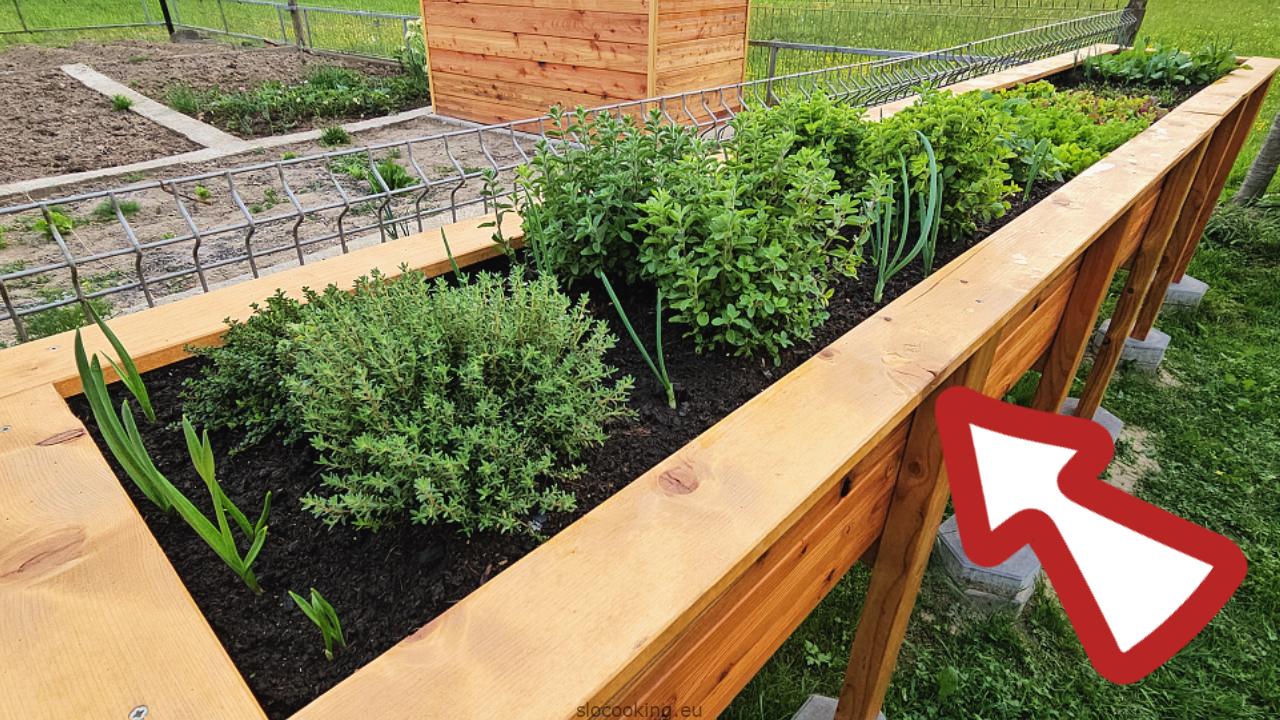
A high raised bed, also known as a tall raised bed or elevated garden bed, is a gardening structure that is raised above ground level to create a contained area for planting. These raised beds are typically built with sides that are several feet high, allowing for easier access to the plants without the need to bend over or kneel down.
Benefits of High Raised Garden Beds
- Improved Drainage: Raised beds ensure proper drainage, preventing waterlogging that can damage roots.
- Enhanced Soil Quality: You can fill the beds with nutrient-rich soil mixtures, providing optimal conditions for plant growth.
- Ergonomic Gardening: The elevated height reduces the need for bending and kneeling, making gardening more comfortable.
- Increased Growing Space: By stacking beds vertically, you can maximize the growing area in limited spaces.
- Pest Control: The height of the beds helps deter pests and rodents from accessing plants.
Types of High Raised Garden Beds
- Wooden Frames: Durable and affordable, wooden frames are a popular choice. Cedar and redwood are naturally resistant to rot.
- Metal Frames: Metal frames are sturdy and long-lasting but can be more expensive. Galvanized steel or aluminum are rust-resistant options.
- Plastic Frames: Lightweight and portable, plastic frames are an economical option. However, they may not be as durable as wooden or metal frames.
Maintenance
- Watering: Water the beds regularly, especially during hot and dry weather.
- Fertilizing: Fertilize the plants every few weeks with a balanced fertilizer.
- Mulching: Spread a layer of mulch around the plants to retain moisture, suppress weeds, and regulate soil temperature.
- Pruning: Regularly prune plants to encourage growth and prevent overcrowding.
Tips for Success
- Use high-quality soil to ensure optimal plant growth.
- Consider using companion planting techniques to maximize space and improve plant health.
- Water deeply and infrequently to encourage root growth.
- Protect plants from extreme temperatures by using covers or shade cloths.
- Rotate crops annually to maintain soil health and prevent disease.
Conclusion
High raised garden beds are an excellent solution for urban gardening, space constraints, and poor soil conditions. By following the guidelines outlined in this post, you can build and maintain a thriving garden that will provide fresh produce and enhance your outdoor space. Whether you’re a seasoned gardener or just starting out, high raised garden beds offer a practical and rewarding way to enjoy the benefits of homegrown vegetables, herbs, and flowers.
Join us on our DIY journey as we build our first high raised bed! This video shows our progress through the video clips and provides a visual insight into the process without any instructions.

If you would like to use content from the slocooking website (in whole or in part), please add a link to the contribution on our site in your post.
Disclosure
Some of the links in this blog and in our videos may be affiliate links, and pay us a small commission if you use them. We really appreciate the support.
This site contains affiliate links for which I may be compensated. As an eBay Partner, I may be compensated if you make a purchase.