Regional Roots: Panna cotta is believed to have originated in the Piedmont region of northern Italy. This area is known for its rich dairy production, which is a key ingredient in the dessert. The use of cream in cooking has deep roots in Italian cuisine, particularly in the northern regions.
Early 20th Century: The earliest recorded recipes for panna cotta date back to the early 1900s. While it is difficult to pinpoint an exact date or creator, it is thought that the dish was developed by local cooks who sought to create a simple yet elegant dessert using readily available ingredients.
Culinary Techniques:
Use of Gelatin: The introduction of gelatin as a thickening agent in desserts became popular in Europe during the 19th century. This innovation allowed for the creation of molded desserts, paving the way for panna cotta. Gelatin was often derived from animal collagen, which was a common ingredient in many traditional recipes.
Flavor Variations: Traditionally, panna cotta is flavored with vanilla, but over the years, variations have emerged that incorporate other flavors such as coffee, chocolate, fruit purees, and even herbs. This adaptability has contributed to its popularity both in Italy and around the world.
Cultural Significance:
Italian Cuisine: Panna cotta has become emblematic of Italian dessert culture, celebrated for its creamy texture and versatility. It is often featured in Italian restaurants and is a favorite among diners for its simplicity and elegance.
Global Popularity: As Italian cuisine gained international acclaim, panna cotta spread beyond Italy’s borders. Today, it is enjoyed in various countries, often with local twists and adaptations.
Contemporary Trends: In recent years, panna cotta has been embraced by chefs worldwide, leading to innovative presentations and flavor combinations. Some modern interpretations include using alternative milks for a dairy-free version or incorporating seasonal fruits and spices.
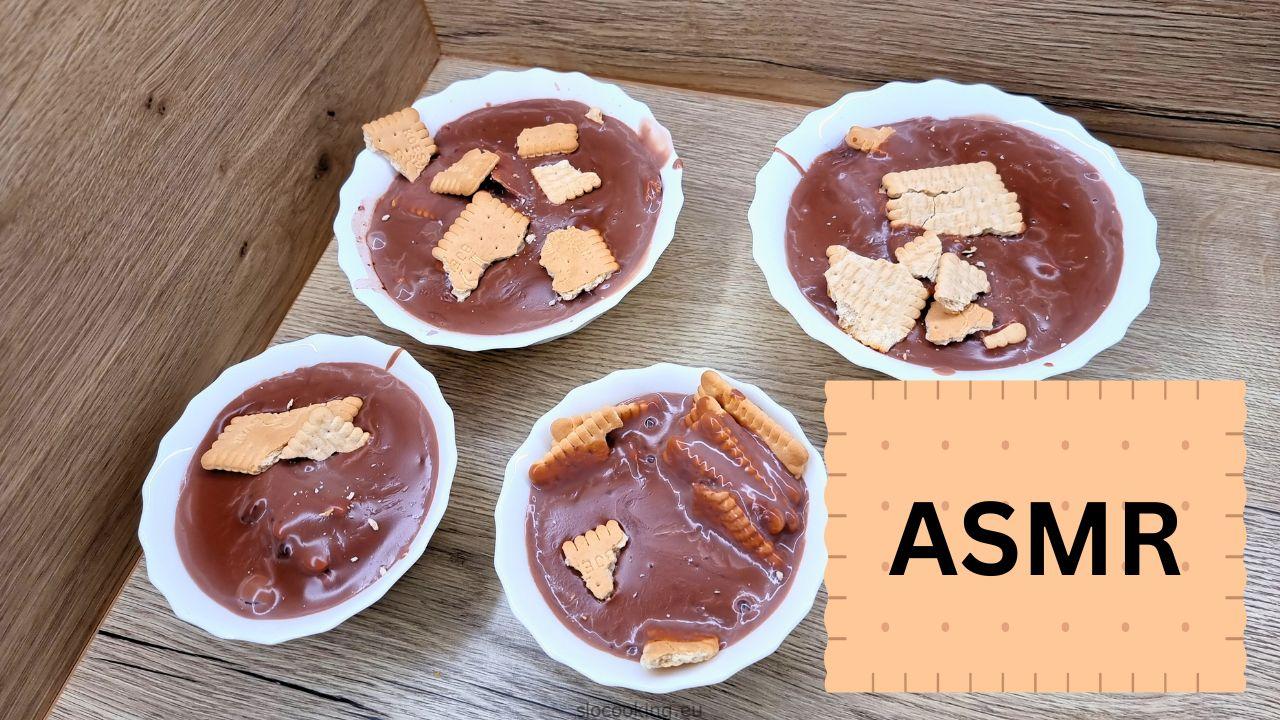
Dr. Oetker dessert cream powder with sweet cream flavor and forest fruit topping.
Preparation instructions:
1. Pour 250 ml of cold milk and 250 ml of sweet cream into a mixing bowl, then add the contents of the bag.
2. Mix with an electric mixer at the lowest speed first. Then beat at the highest speed for 2 to 3 minutes.
3. Pour the cream into the desired shape of the container and refrigerate for at least an hour. Before serving, pour over the included forest fruit topping.
If you would like to use content from the slocooking website (in whole or in part), please add a link to the contribution on our site in your post.
Disclosure
Some of the links in this blog and in our videos may be affiliate links, and pay us a small commission if you use them. We really appreciate the support.
Here are some ways you can support the blog:
👉 Becoming a subscriber
👉 Liking and commenting on the video if you enjoyed it
To provide the best experiences, we use technologies like cookies to store and/or access device information. Consenting to these technologies will allow us to process data such as browsing behavior or unique IDs on this site. Not consenting or withdrawing consent, may adversely affect certain features and functions.
Functional
Always active
The technical storage or access is strictly necessary for the legitimate purpose of enabling the use of a specific service explicitly requested by the subscriber or user, or for the sole purpose of carrying out the transmission of a communication over an electronic communications network.
Preferences
The technical storage or access is necessary for the legitimate purpose of storing preferences that are not requested by the subscriber or user.
Statistics
The technical storage or access that is used exclusively for statistical purposes.The technical storage or access that is used exclusively for anonymous statistical purposes. Without a subpoena, voluntary compliance on the part of your Internet Service Provider, or additional records from a third party, information stored or retrieved for this purpose alone cannot usually be used to identify you.
Marketing
The technical storage or access is required to create user profiles to send advertising, or to track the user on a website or across several websites for similar marketing purposes.